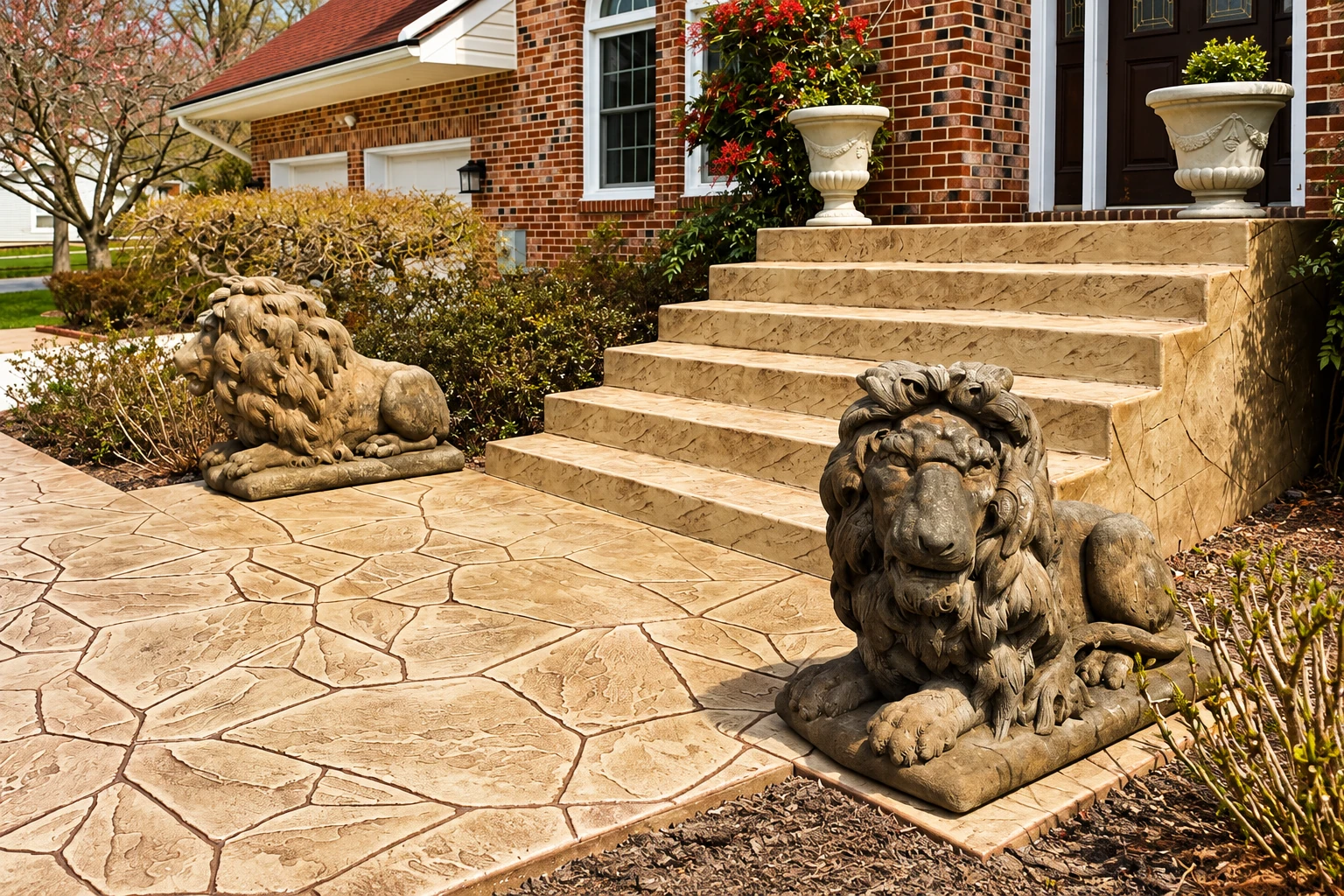
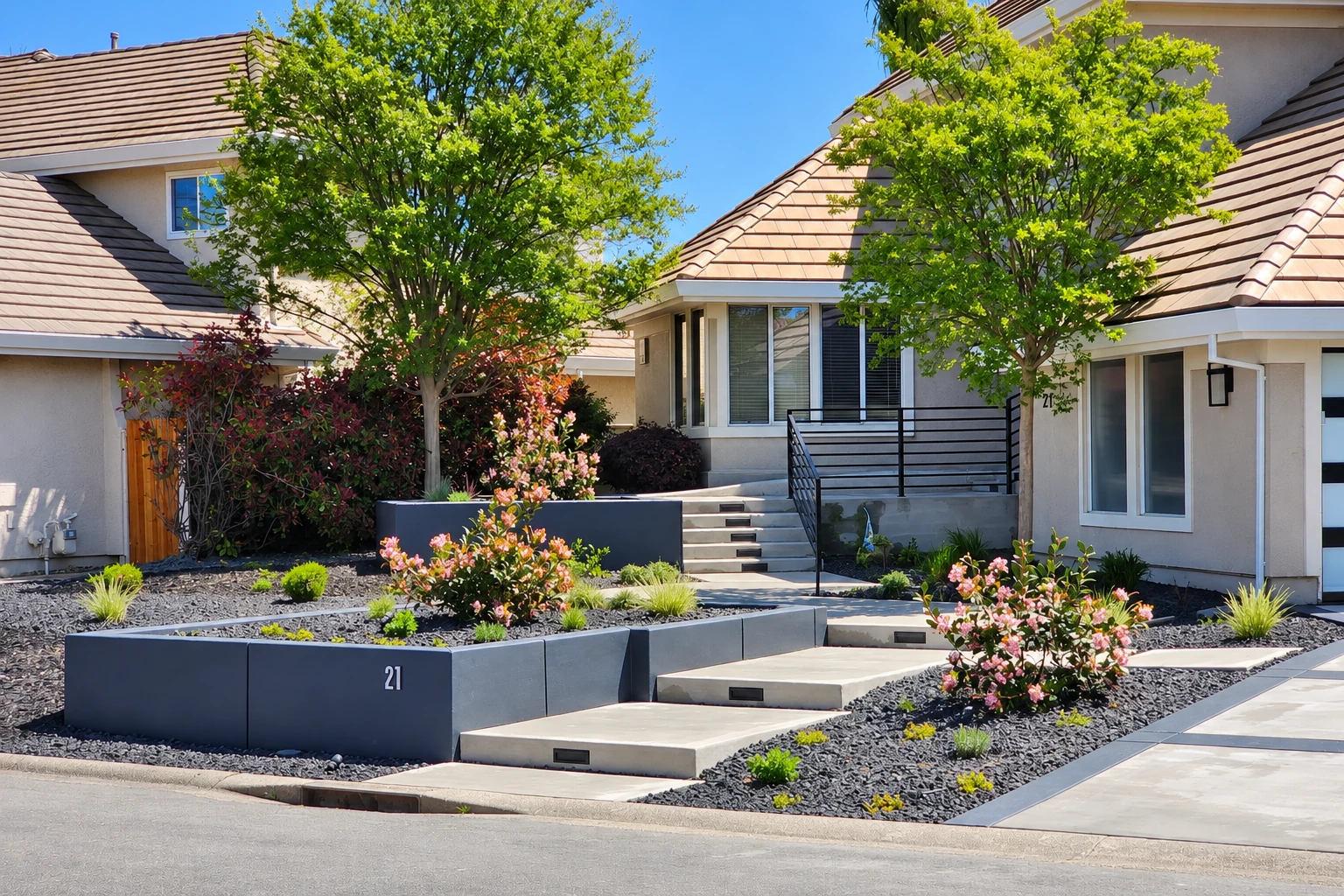
Suffield is the southern end of where we work, just over the state line from Southwick and Agawam, so it's a short trip down from West Springfield. Most calls here come from homeowners with long driveways, back patios, walks and steps to replace, and from builders who need footings or a slab poured. We see everything from older homes near historic Main Street to newer houses on bigger lots. Parts of town fall in the Suffield Historical District, which the town protects with special zoning regulations, so if your house is in it, we check with the Building Department before we plan anything.
Big lots give water room to run somewhere, and long driveways mean a lot of ground to dig out and pack, so I walk the slope with you before we set a single form. Concrete hides a bad base for a while, and then it settles right along with the dirt.
What moves the price and the schedule
Price follows the size of the slab, how thick it has to be for what goes on it, and how much digging and base work your ground needs before we pour. Tearing out an old slab, a long walk from the truck to the forms and a stamped top instead of a plain one all add to it, and so does rebar, the steel inside that holds the slab together if it cracks. The schedule turns on the base work, the weather on pour day and curing, the wait while concrete gains strength, and you'll walk on it well before you drive on it. I walk the site with you and put the scope in writing, so your figure is on paper.
Truck access and the street out front
A loaded ready-mix truck is heavy, and on a long Suffield driveway it can end up a good way from the forms, so I look at where it can park and how we'll get the concrete back there. The town's website posts road updates, and it lists Suffield Street as closed to through traffic because of a failing culvert, so we plan the truck's route before pour day. When the town has a road project on your street, it suggests moving private features out of its right of way, typically within 10 feet behind the curb, and says it won't repair damage there. That matters if your driveway apron, the strip that meets the street, falls inside it.
Patios and pool decks behind the house
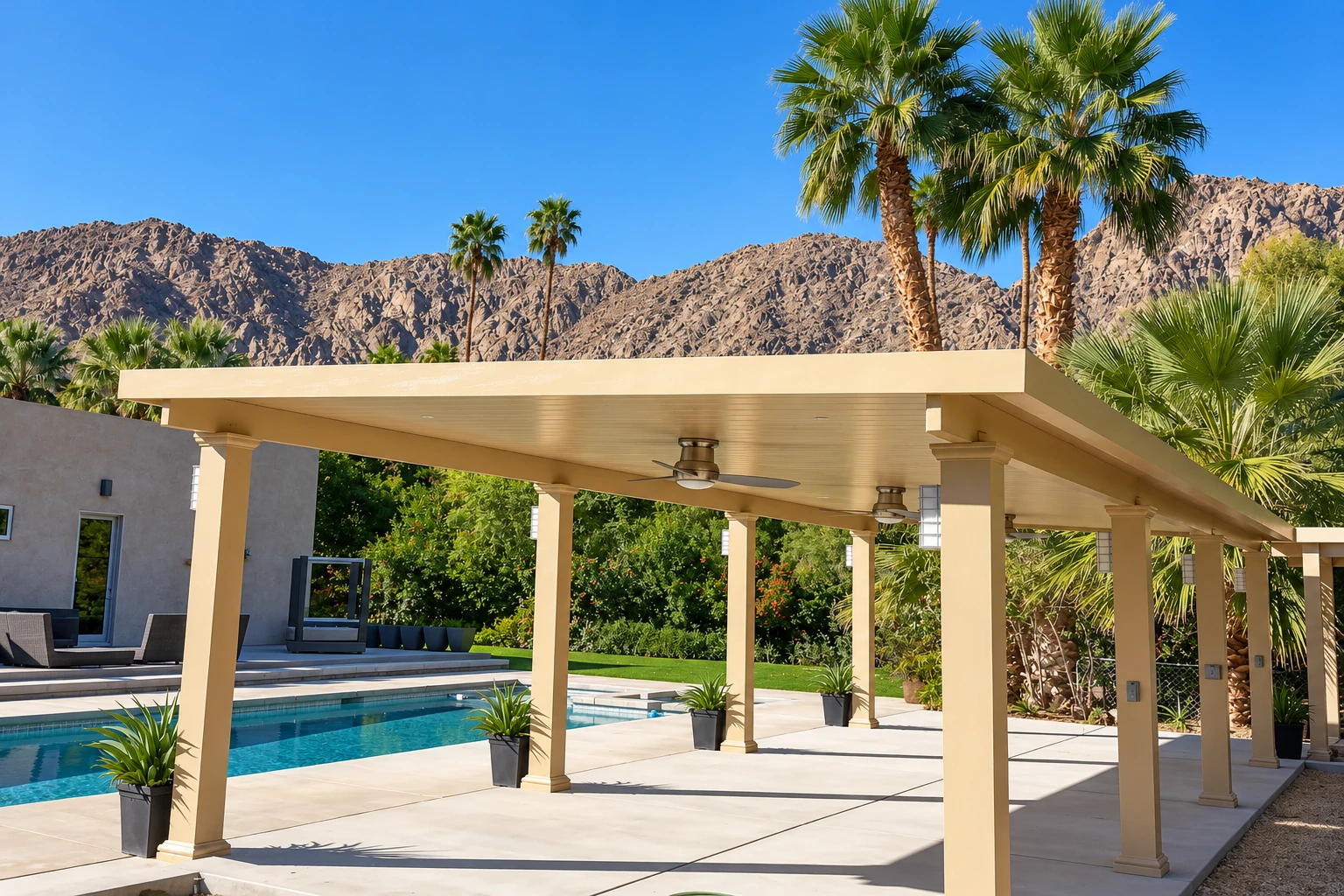
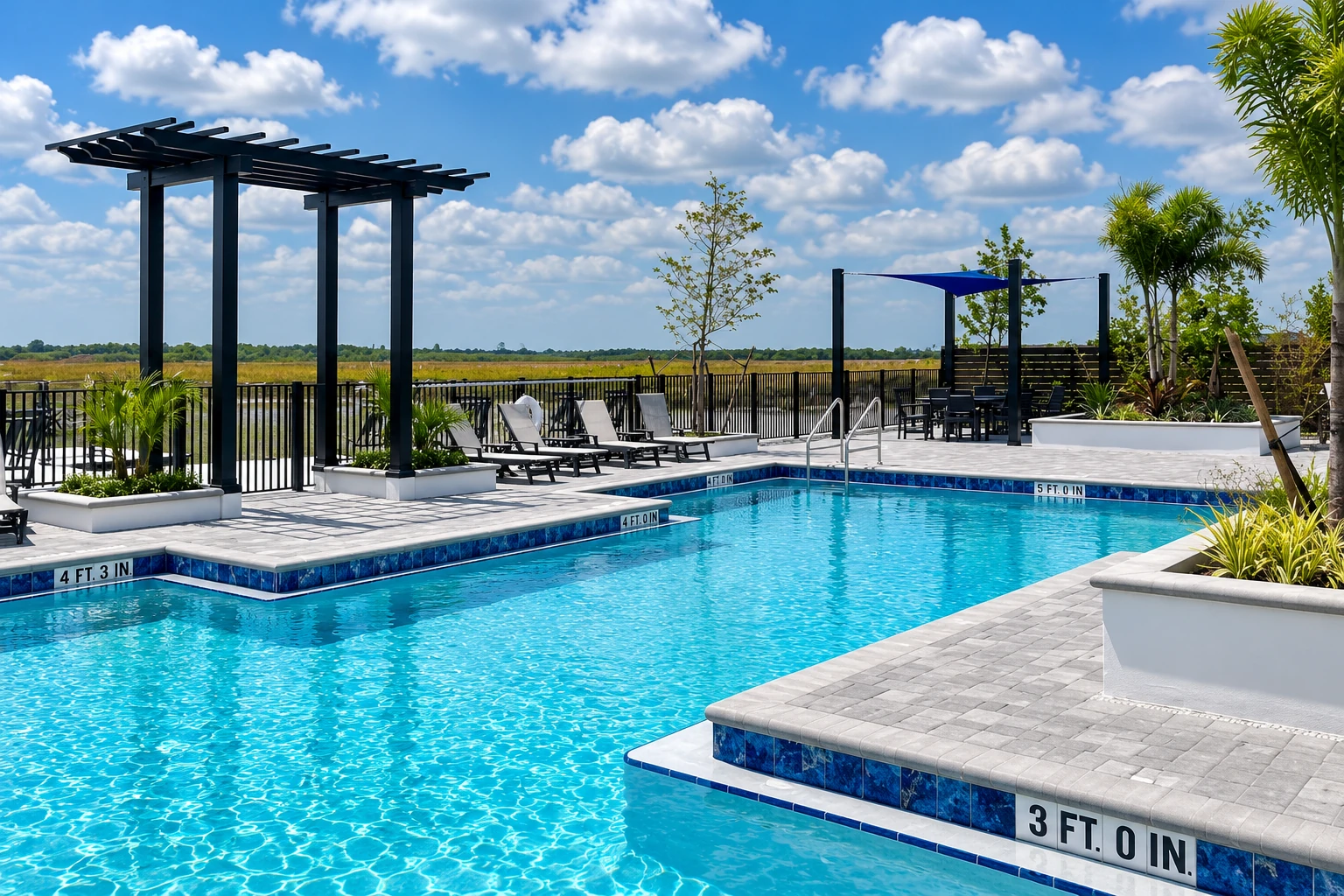
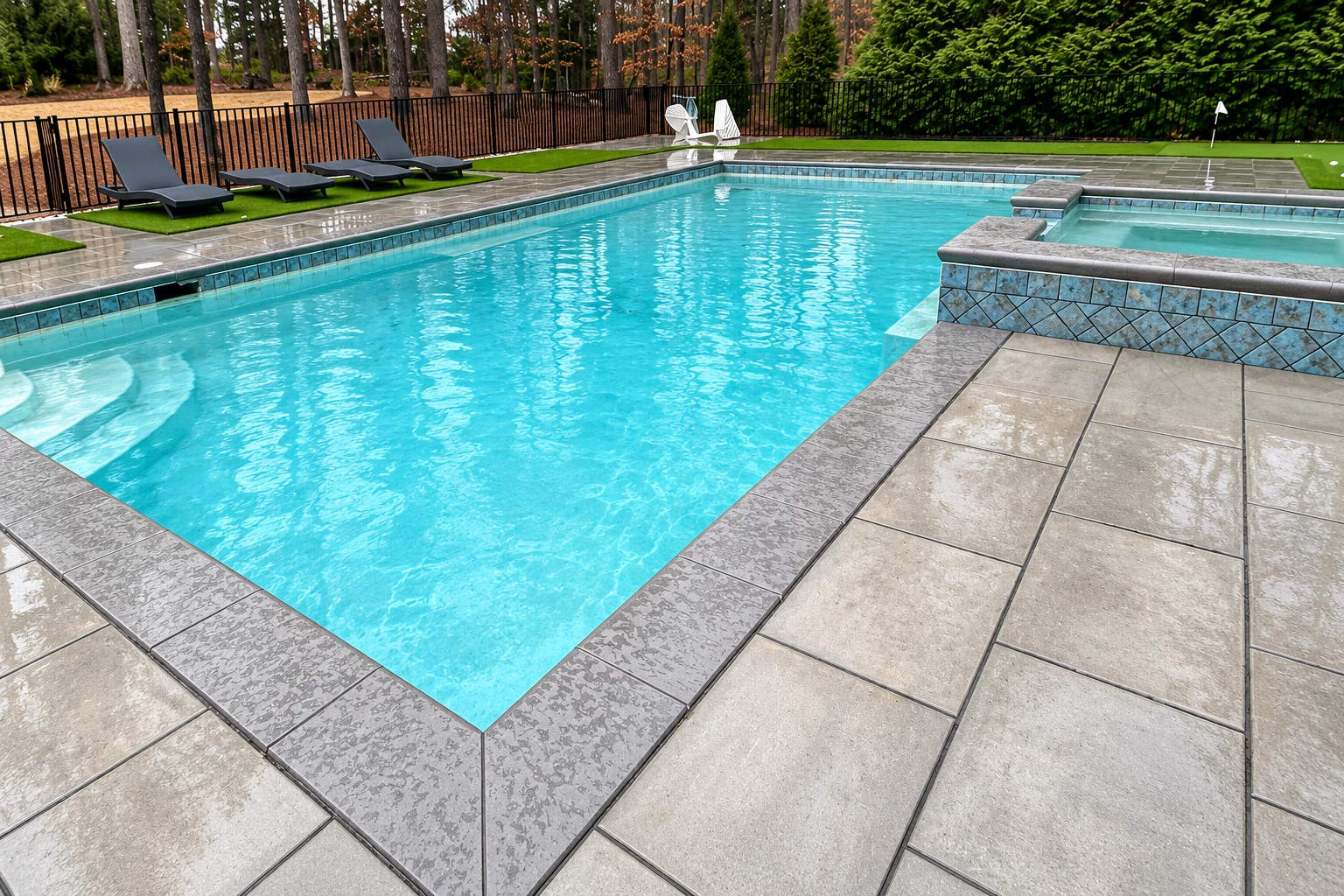
Back patios and concrete pool decks are where people want to spend on the surface, and I get it, since the top is what you see. When the budget gets tight, I'd rather trim the finish than the base, because a fancy top over a soft subgrade, the ground the slab sits on, sinks and cracks along with the dirt. We also check where the water runs and pitch the slab away from the house, so it doesn't pool against your foundation. Around a pool, a broom finish, a light brushed texture on the surface, gives wet feet some grip.