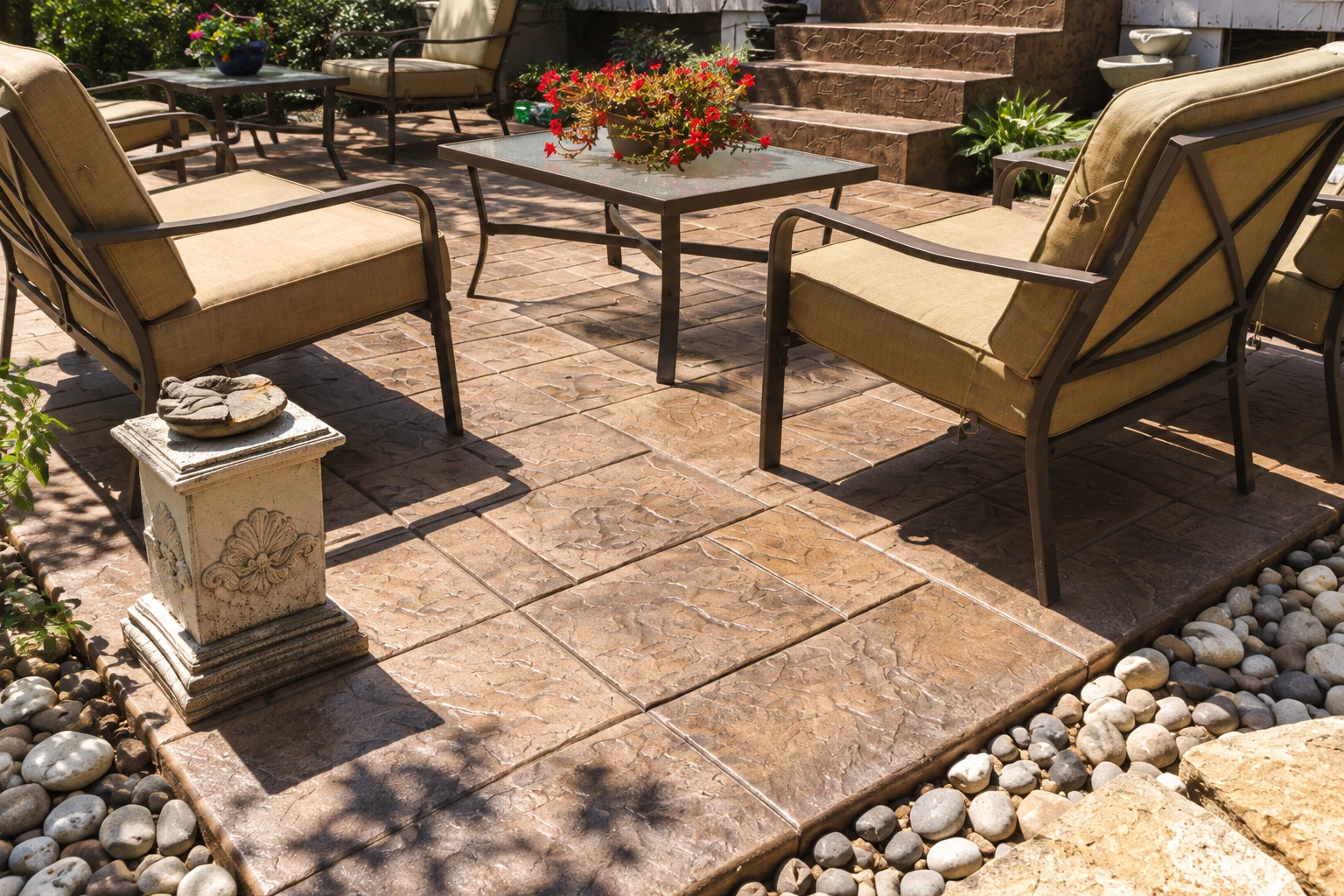
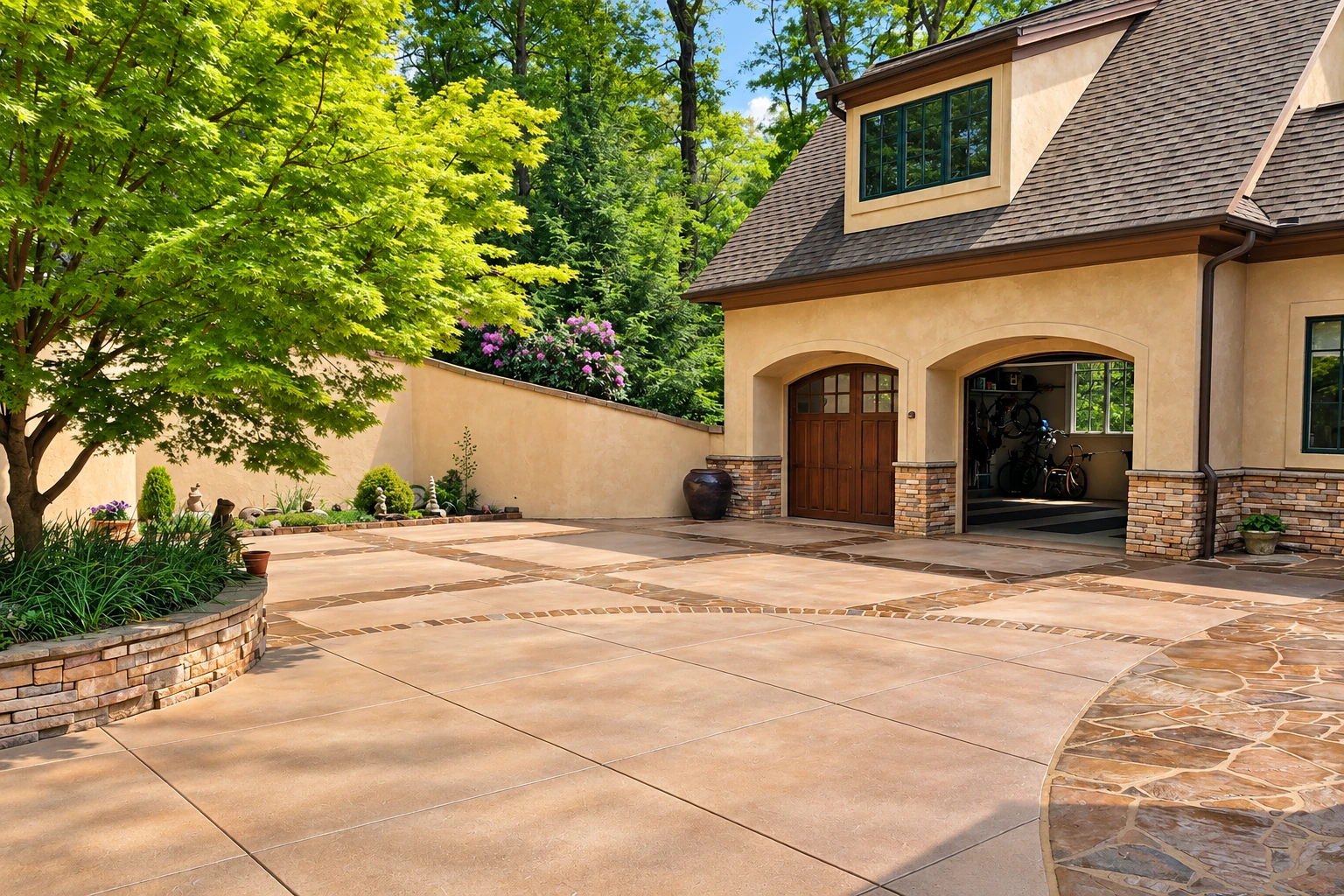
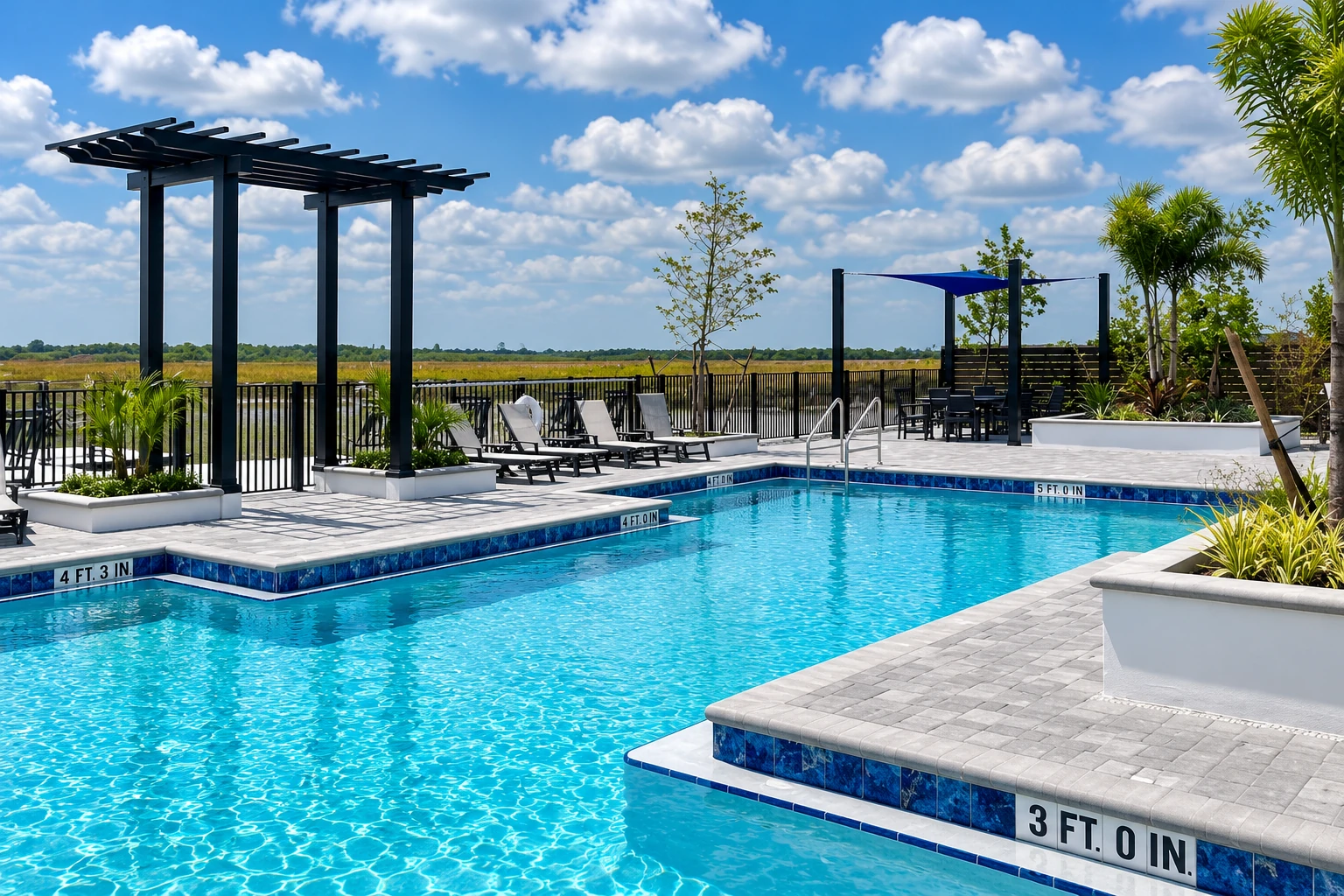
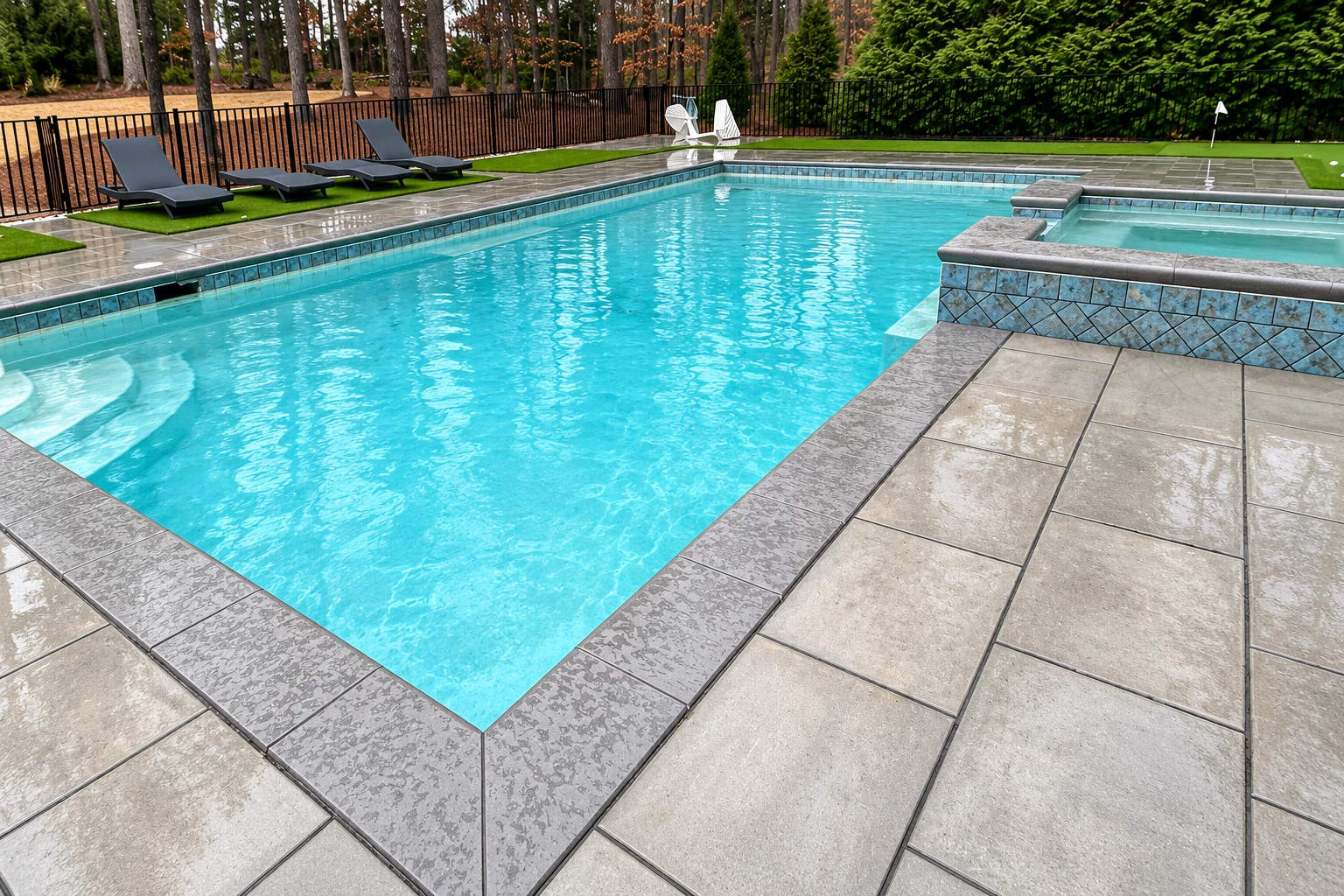
Longmeadow is mostly homes, and that's most of what we pour there: driveways, front walks, back patios, steps and now and then a garage floor that's cracked or settled. A lot of the houses have stood for decades, so the old concrete we break out has often sat on a thin layer of whatever dirt was handy, with tree roots pushing it up from below. We're based in West Springfield and work in the cities around it, from Holyoke down to Suffield, CT, so Longmeadow is close to home for us.
On an older lot, the slab you have now tells me a lot before we touch it. Where it sank, where water sits after rain and which way the cracks run usually point to the base or the drainage, and that's where our work starts.
Checking with the town before we schedule
Before a Longmeadow job goes on our calendar, we check with the town's building office, and when the work needs a permit, we handle the application for you. Don't take it for granted that a driveway or patio skips that step, because it depends on what you're building, and the town is the one that decides. It's a lot easier to sort out on paper than after the concrete is in. We're fully licensed and insured, and the questions further down cover what the state expects of any contractor who works on your house, so you know what to ask whoever you hire.
What sets the price and the timing
Price mostly comes down to the size of the slab, how thick it has to be for what goes on it, how much old concrete we break out and haul away, and how much digging the ground needs. The finish matters as well, since a broom finish, the light texture that keeps shoes from slipping, costs less than stamped or colored work. Timing turns on the permit, the weather on pour day and curing, the wait while the concrete gains strength before it takes weight. You'll walk on it well before you park on it. When I come out, I walk the site with you and put the scope in writing, so you know what you're paying for.
Why we put the money under the slab
The base is the part you never see, and it's the first thing people want to cut, so I'll be plain about it. The subgrade, the ground the slab sits on, has to be dug out and packed hard, not just raked level, or the concrete settles with the dirt. We check which way water runs so the slab sheds it away from your house instead of toward it. Then we cut control joints, shallow grooves that give the concrete a planned place to crack in a straight line instead of across the middle. Concrete does crack. Our job is to choose where. If the budget's tight, I'd rather pour a plain surface on a good base than a fancy one on a bad one.