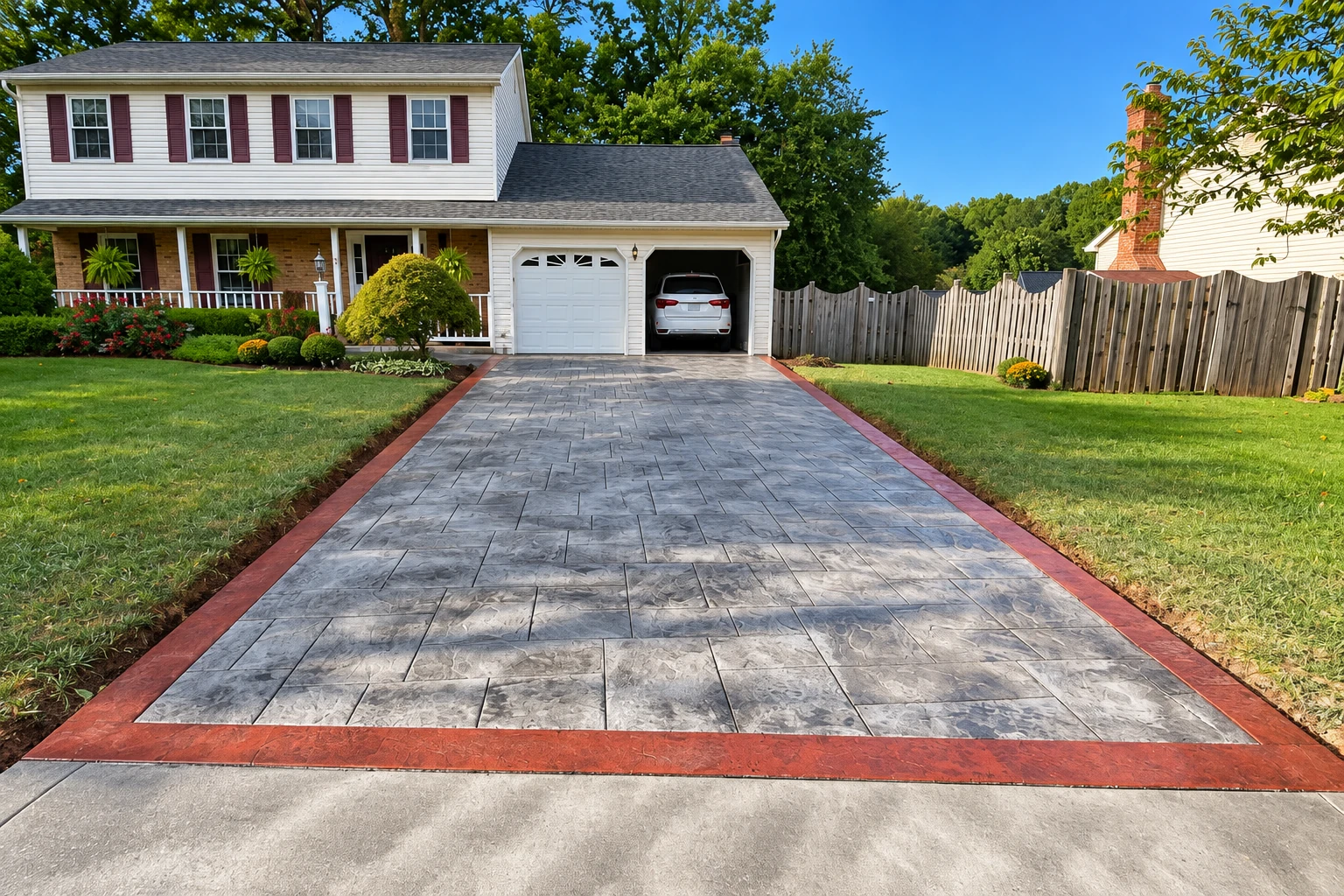
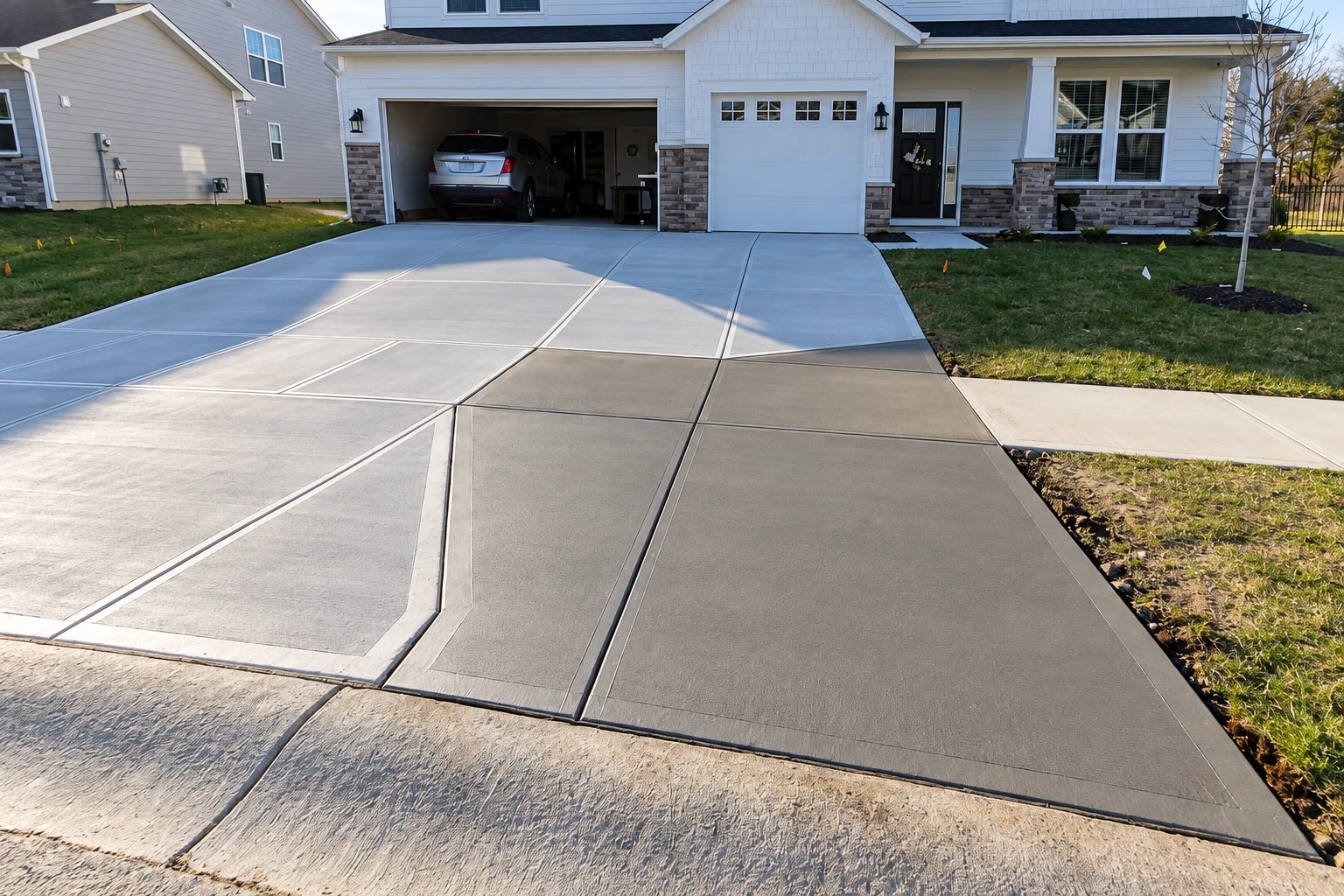
Southwick sits on the Connecticut line next to Westfield and Suffield, CT, and most of the calls we get here are for homes with some room around them, plus the houses lined up along Congamond Lakes. That shoreline is built up with year-round homes, so the driveways, patios and steps there get used every month of the year, not just in summer. Close to the water the ground tends to hold moisture, and on these lots the dirt and the slope decide more about the job than the concrete does.
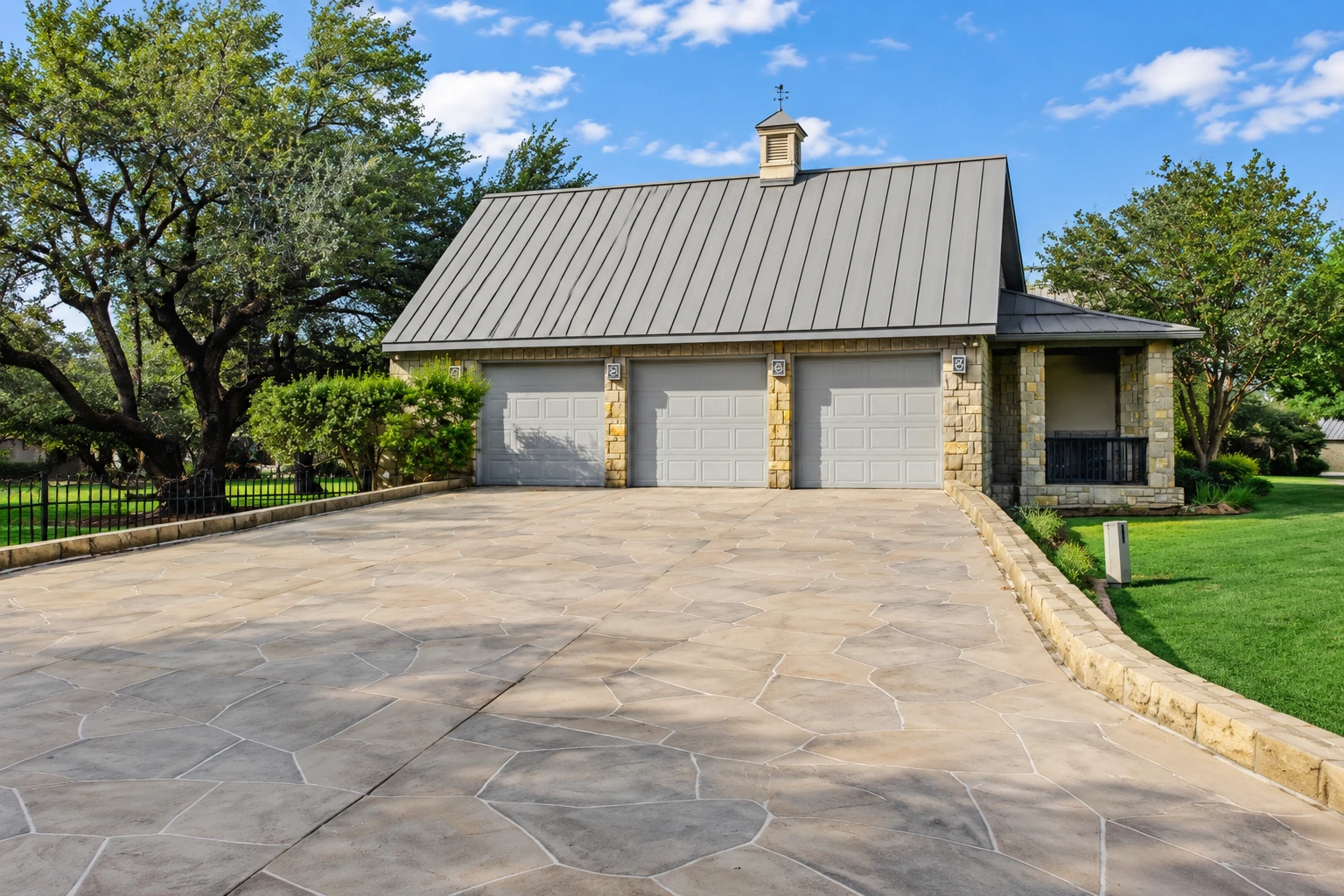
What moves the price here is mostly the ground and the access: how much soft dirt comes out, how much base goes back in, the size and thickness of the slab, the finish, and whether the truck can reach the forms or we wheel the concrete in. The schedule turns on the weather, the wait for the concrete to cure and whether the job needs a permit first. I walk the site with you and put the scope in writing, the same as I do from here out to Palmer.
Lakeside yards and where the water goes
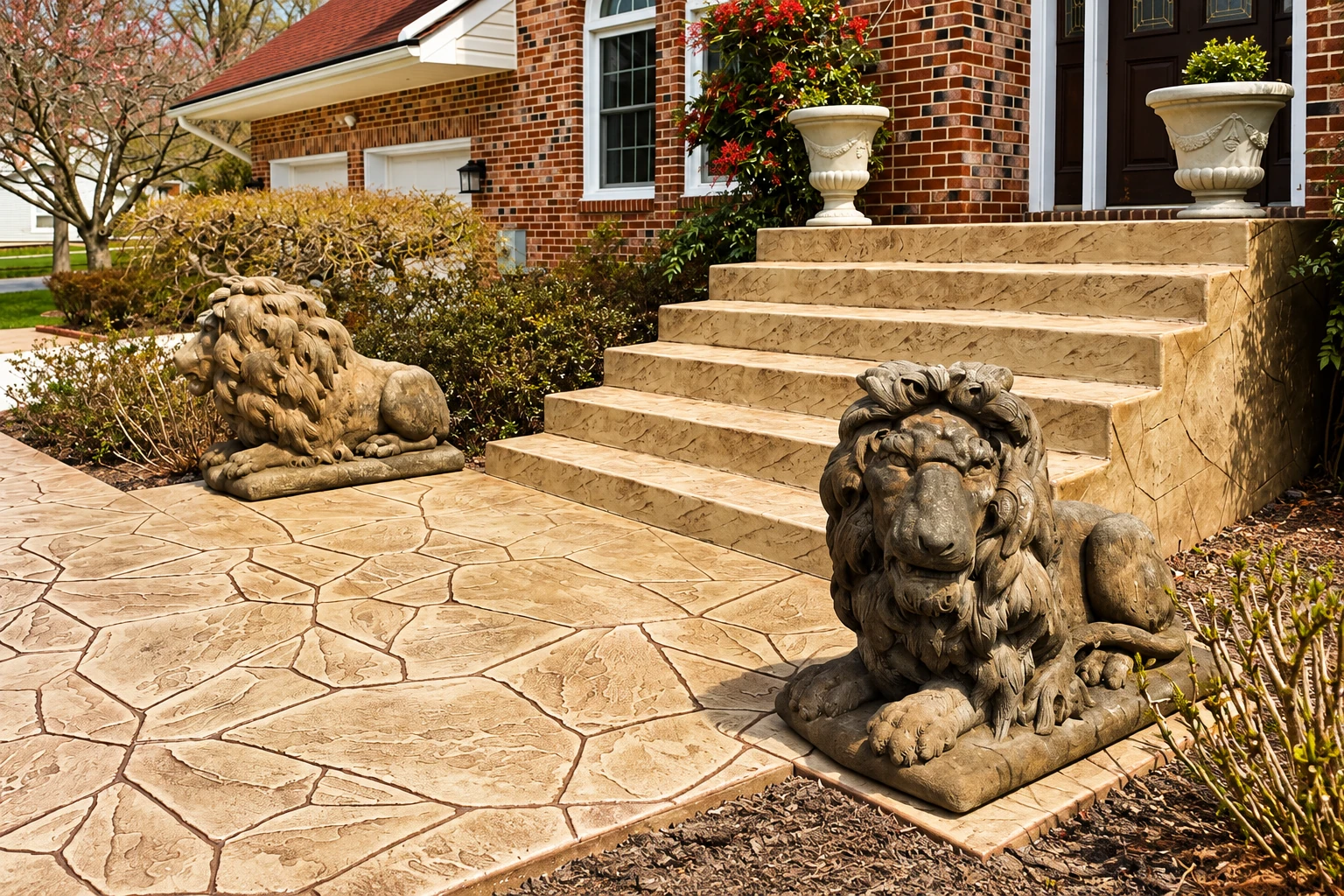
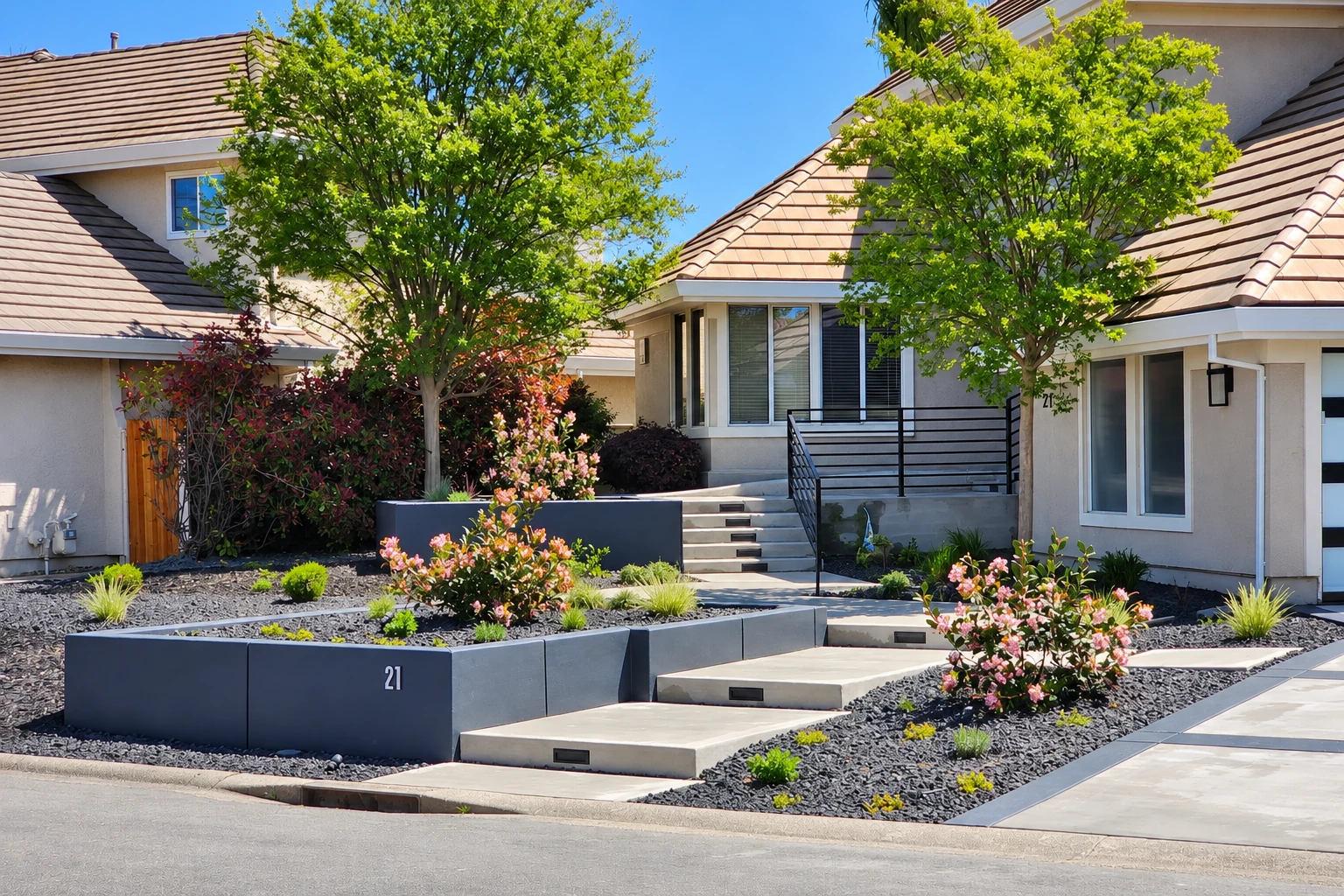
Around the lakes, and anywhere a yard runs downhill toward the house, the first thing I check is where the rain goes, because a slab that tips toward your foundation sends water right where you don't want it. Rain across Massachusetts is projected to get heavier, possibly more than some drainage systems were built to carry, so we pitch the driveway or patio away from the house and plan where the runoff ends up. On a yard that drops toward the water, concrete steps usually make more sense than a long sloped slab, and they sit on the same dug-out, packed base.
Why we spend more under the slab
The part of the job you can't see on pour day is the part I care about most. We dig the subgrade, the dirt your slab sits on, down to firm ground and pack the gravel base in layers, because a base that's only raked level settles with the dirt and takes the slab down with it. If the budget's tight, I'd rather you pick a plain finish than cut corners down there. Concrete still cracks, so we set rebar, steel that holds the pieces together, and cut control joints, shallow grooves that give a crack a straight place to happen, as soon as the slab can take the saw.
How long you're off the driveway or patio
Concrete gets its strength from curing, the slow stretch while it hardens, and that wait doesn't speed up because you need the car back. You can usually walk on a new slab well before you can drive on it, and I'll give you the days for your pour once I know what the weather is doing that week. In summer we pour early in the day, because midday heat dries the top too fast and leaves a weak, dusty surface later on. The broom finish, a light brushed texture, is there so the slab gives your feet some grip when it's wet.