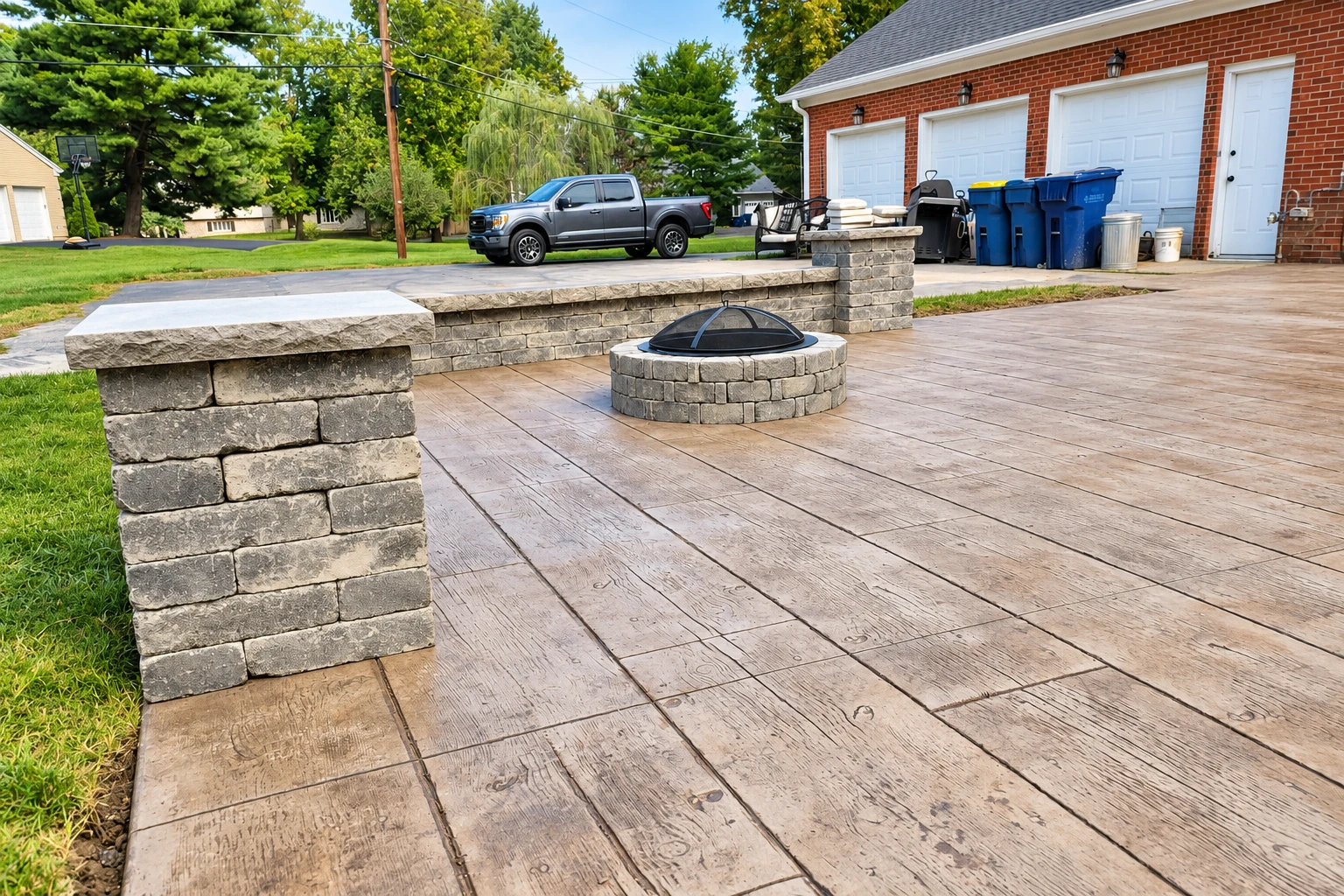
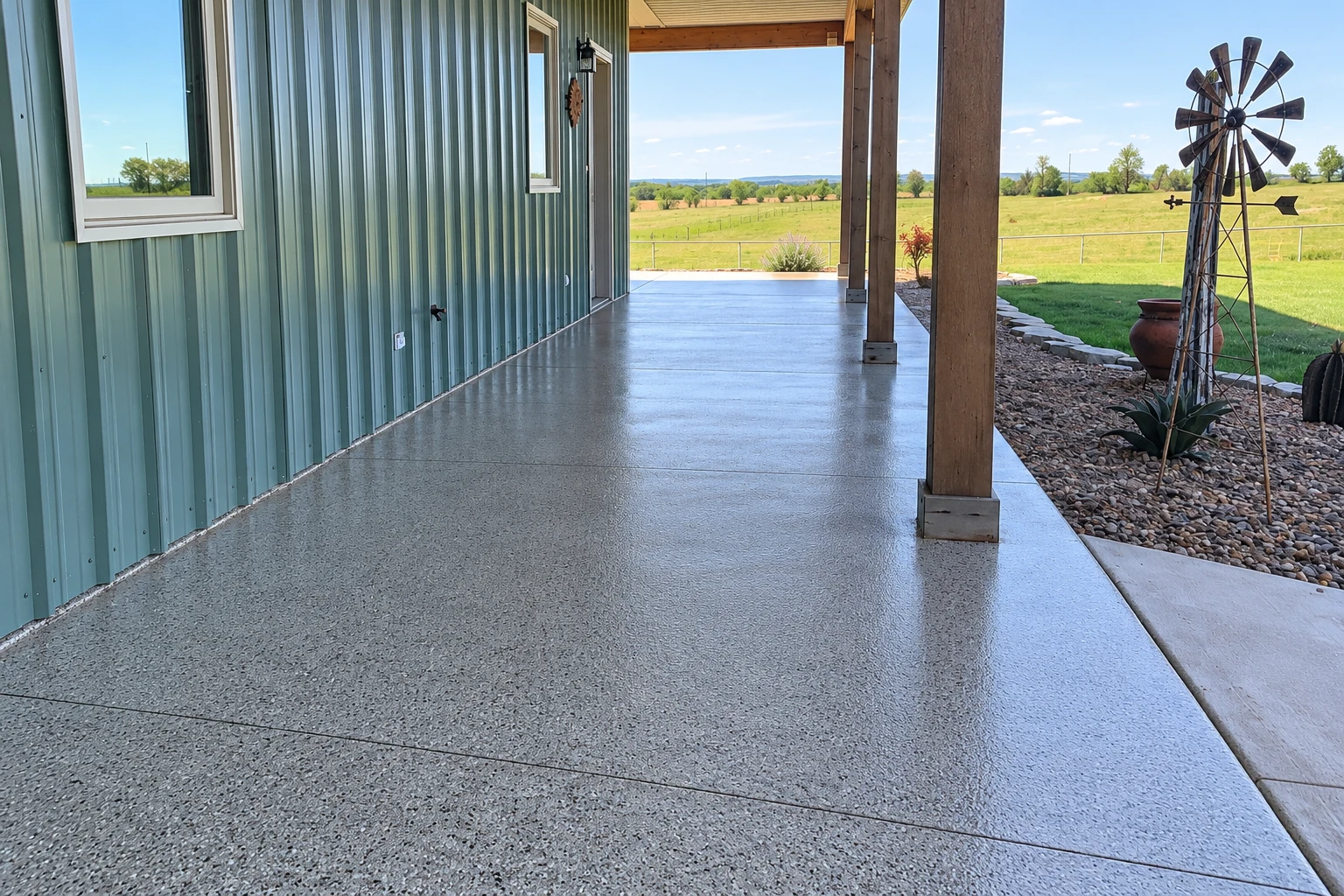
Springfield is the big city right across the river from us in West Springfield, and most of our calls here are for older houses, a lot of them two- and three-family, plus property owners who need floors, footings or lots. We work here the same way we do in Chicopee and Longmeadow.
Around Forest Park, the Forest Park Heights Historic District is made up of houses built between 1890 and 1910, and older streets like those run all through the city. If your house is in a historic district, the city's permit checklist calls for Historical Commission approval, and a site within 100 feet of wetlands needs conservation approval from public works, so both are part of what we check with the city. Old houses also mean old ground, with fill, roots and buried slabs nobody remembers, and that's why the digging out matters as much here as the pour.
What sets the price and the schedule
Price comes down to what's there now and what the ground needs. Breaking out an old slab adds cost, and so does digging out soft fill and packing a new gravel base over the subgrade, the soil everything sits on. Size, thickness, rebar, the steel bars that hold the concrete together if it cracks, and the finish move it too. The schedule turns on the permit if the city requires one, the weather on pour day and curing, the wait while concrete gains strength, which runs a few days before you walk on it and longer before you drive on it. I walk the site with you and put the scope in writing.
Stopping the cracks you have now
Concrete cracks, and nobody honest will tell you it won't, so what we control is where it cracks and how much. Most of the sinking, uneven slabs I look at were raked level and poured on loose dirt, so they settled when the dirt did. We dig out and pack the base, set the slope so water runs away from your house, and cut control joints, shallow grooves that give the slab a straight line to crack along. We'd rather not pour in the midday heat, since that can leave a weak, dusty top. If the budget's tight, I'd spend it on the base before the finish, because you can redo a surface later, but fixing the ground means tearing the slab out.
Getting into tight Springfield driveways
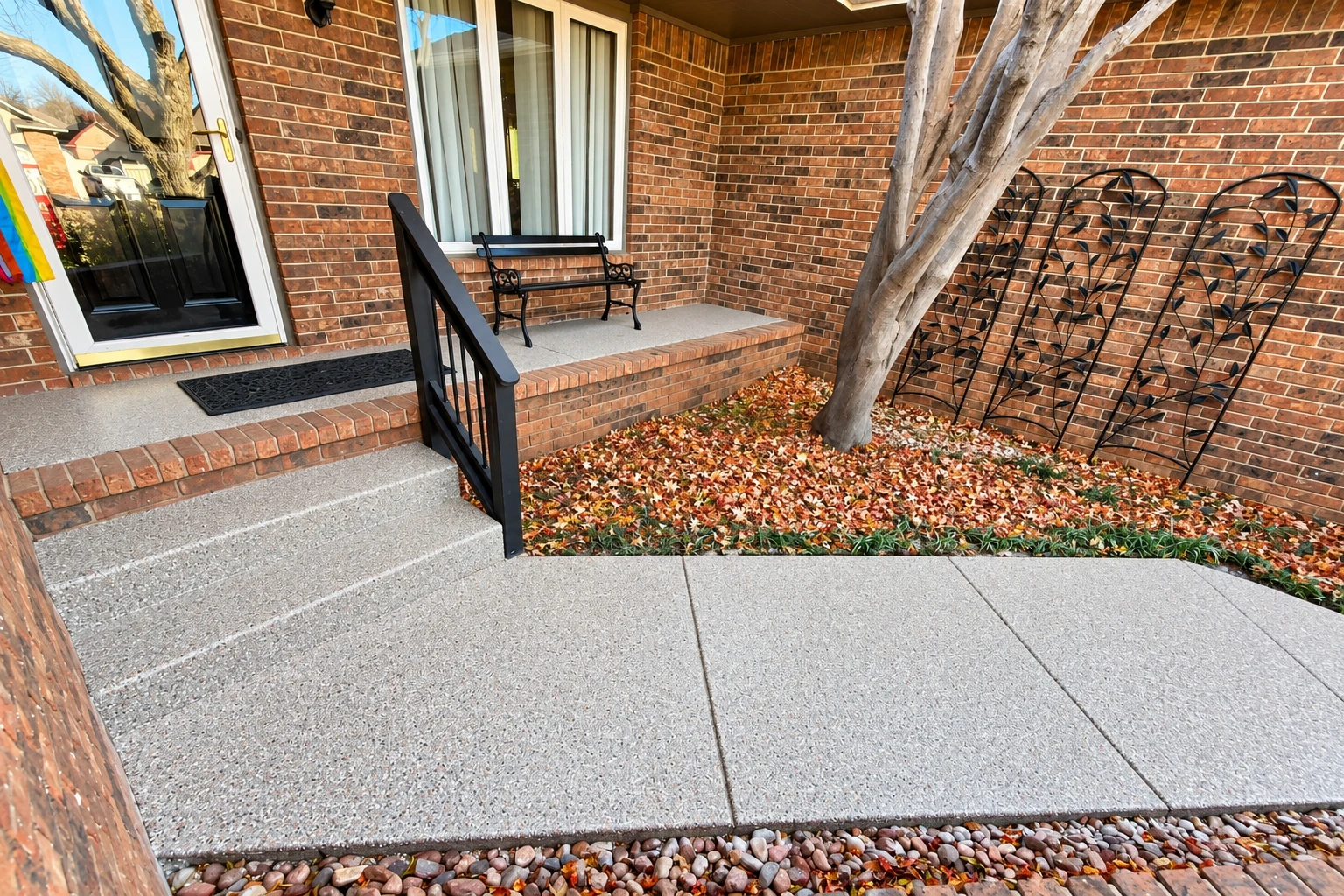
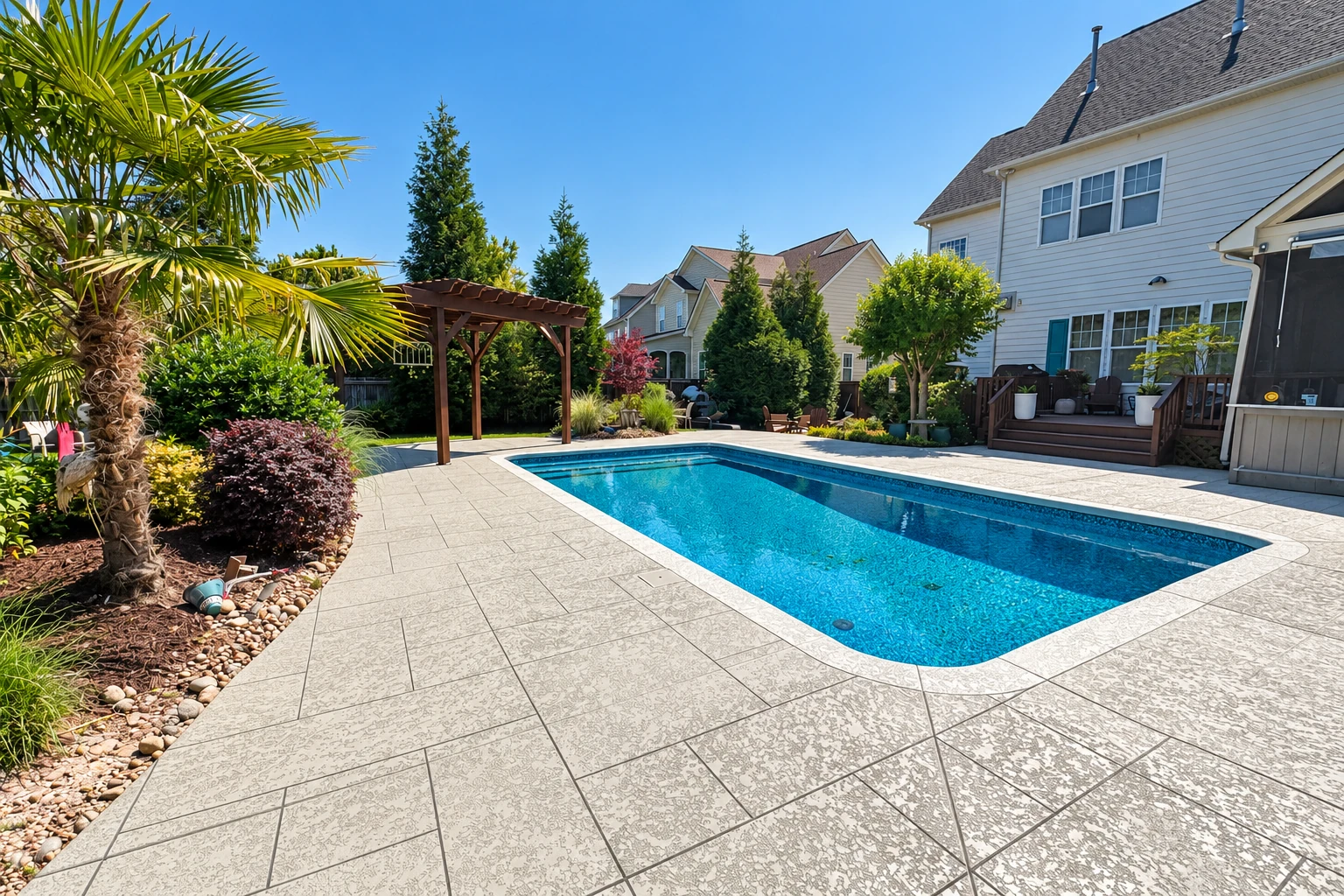
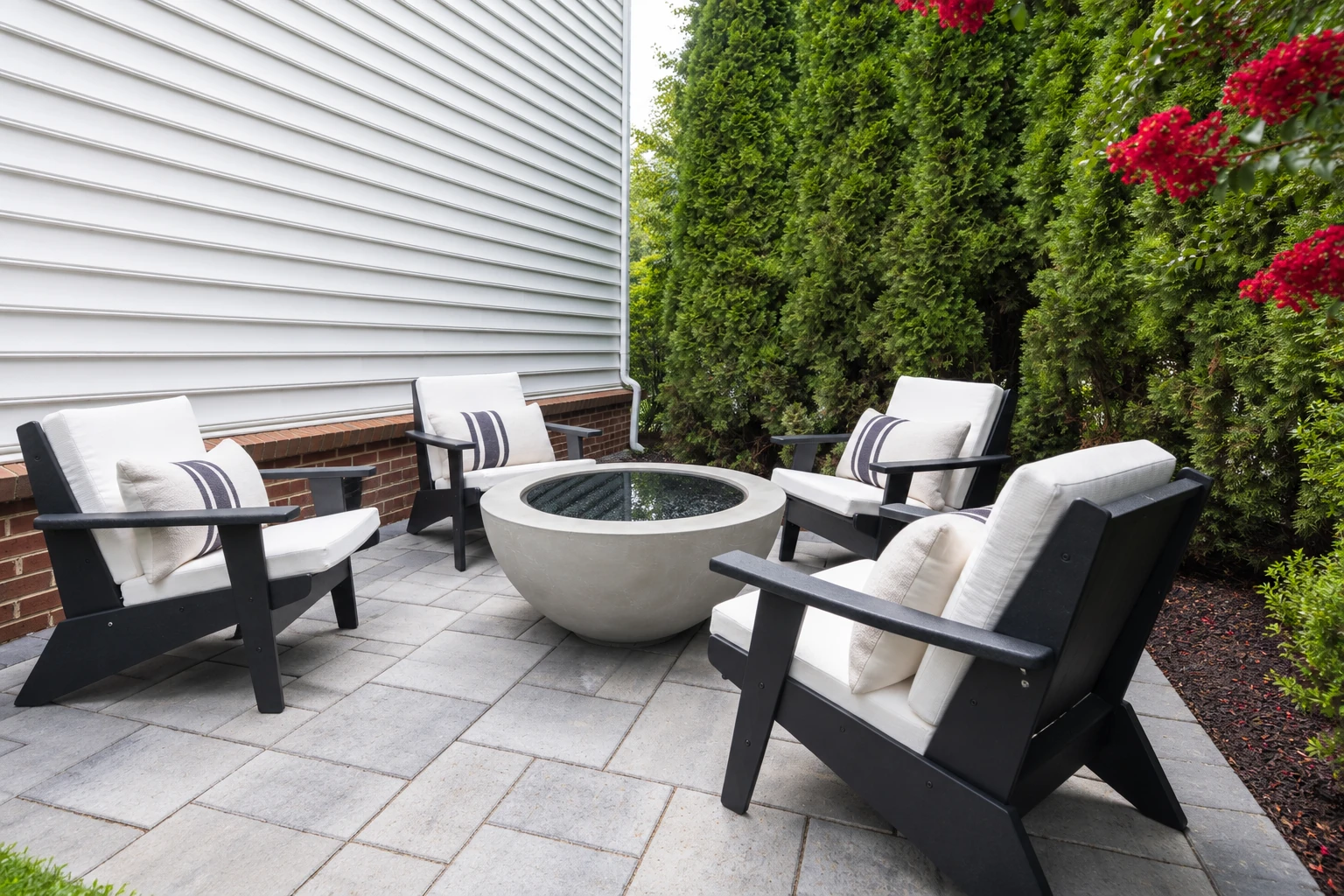
A lot of Springfield houses sit close together, with a narrow driveway between them and a backyard you reach on foot. At the estimate I look at where the truck can park, whether we can pour straight from it or have to wheel or pump the concrete in, and what has to move first. Work where your driveway meets the street can involve public works, since that department handles permits and inspections on streets and roadways, so we check that early. A concrete patio out back gets the same base and drainage work as a driveway out front, and usually a broom finish, a light brushed texture so it isn't slick underfoot.