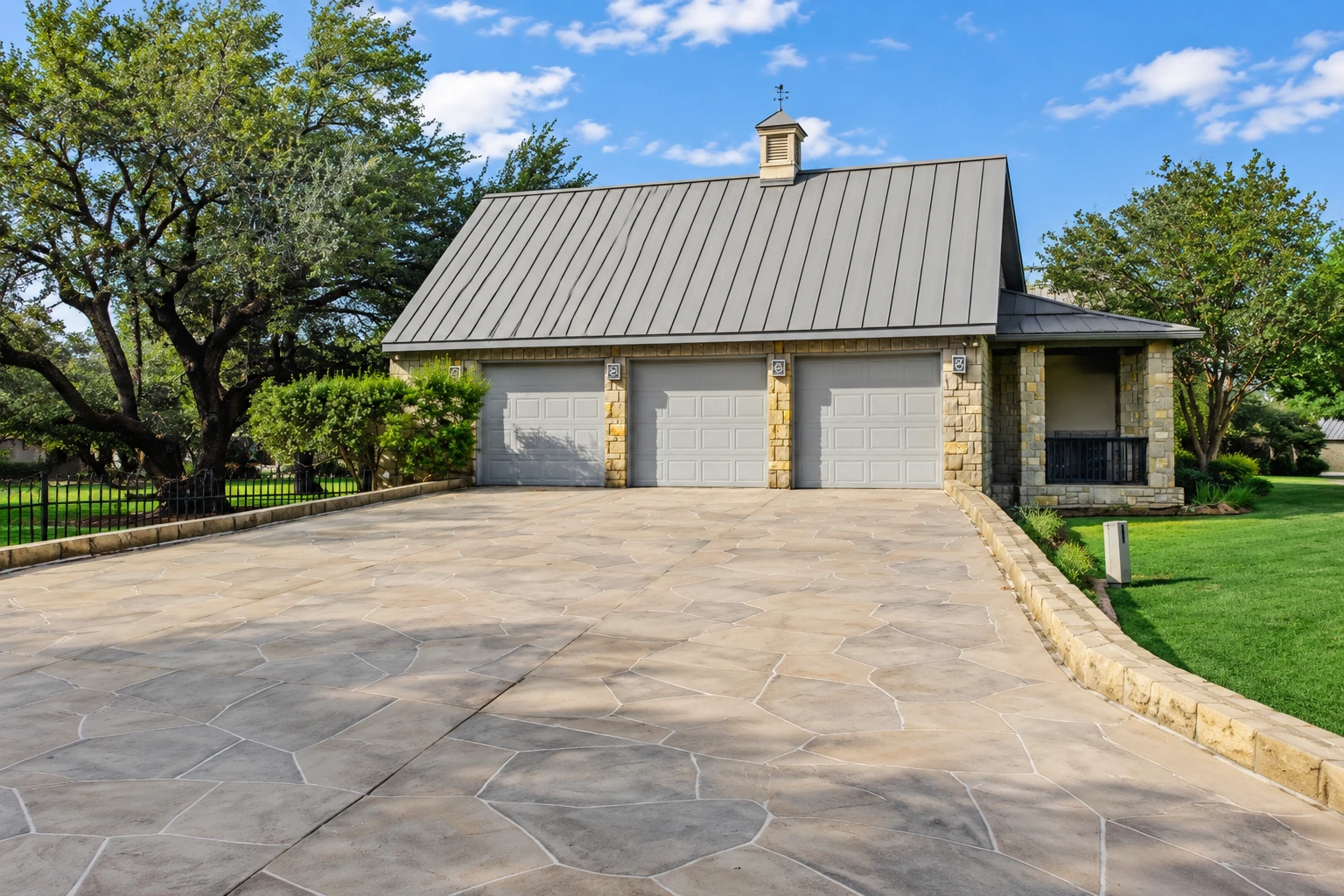
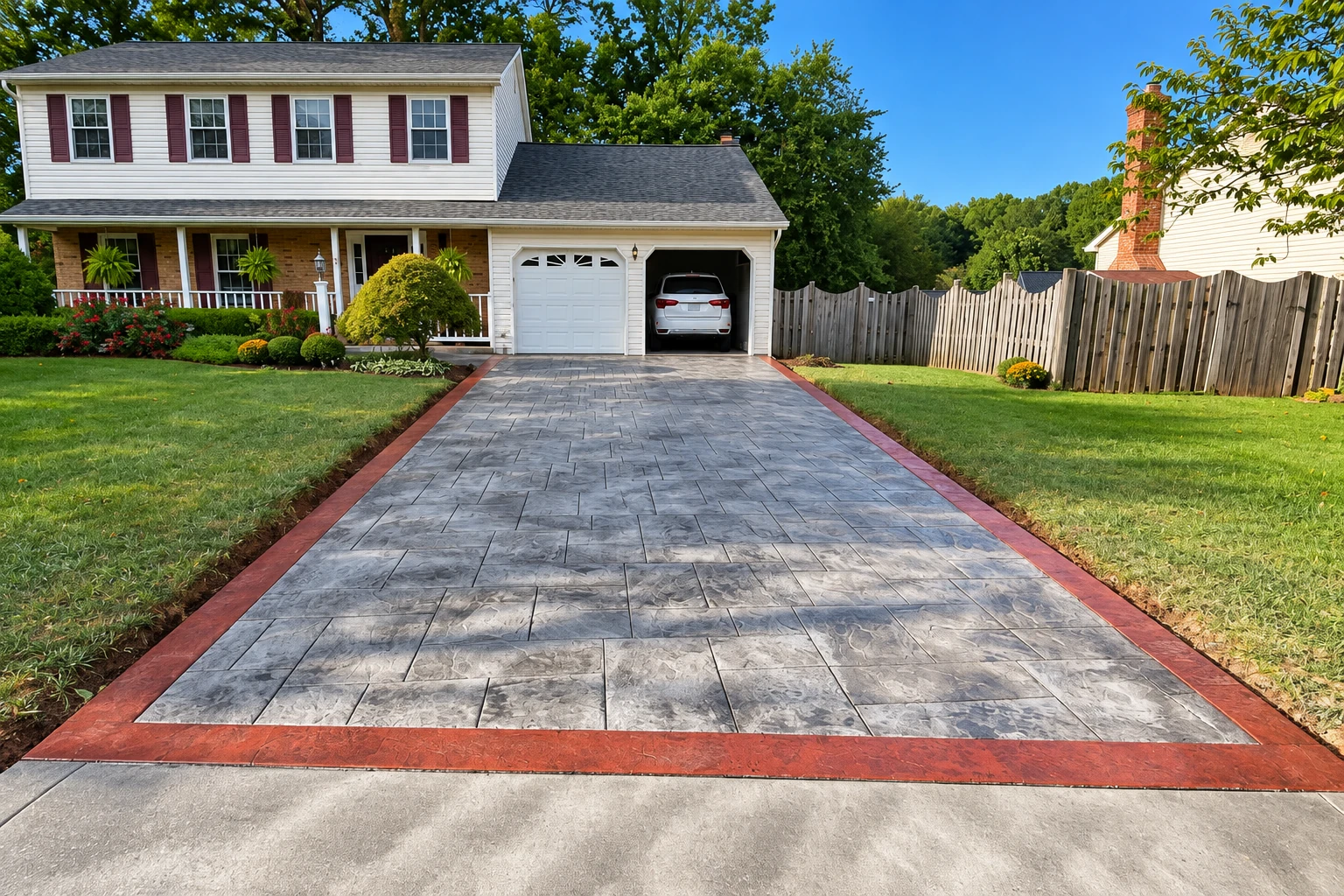
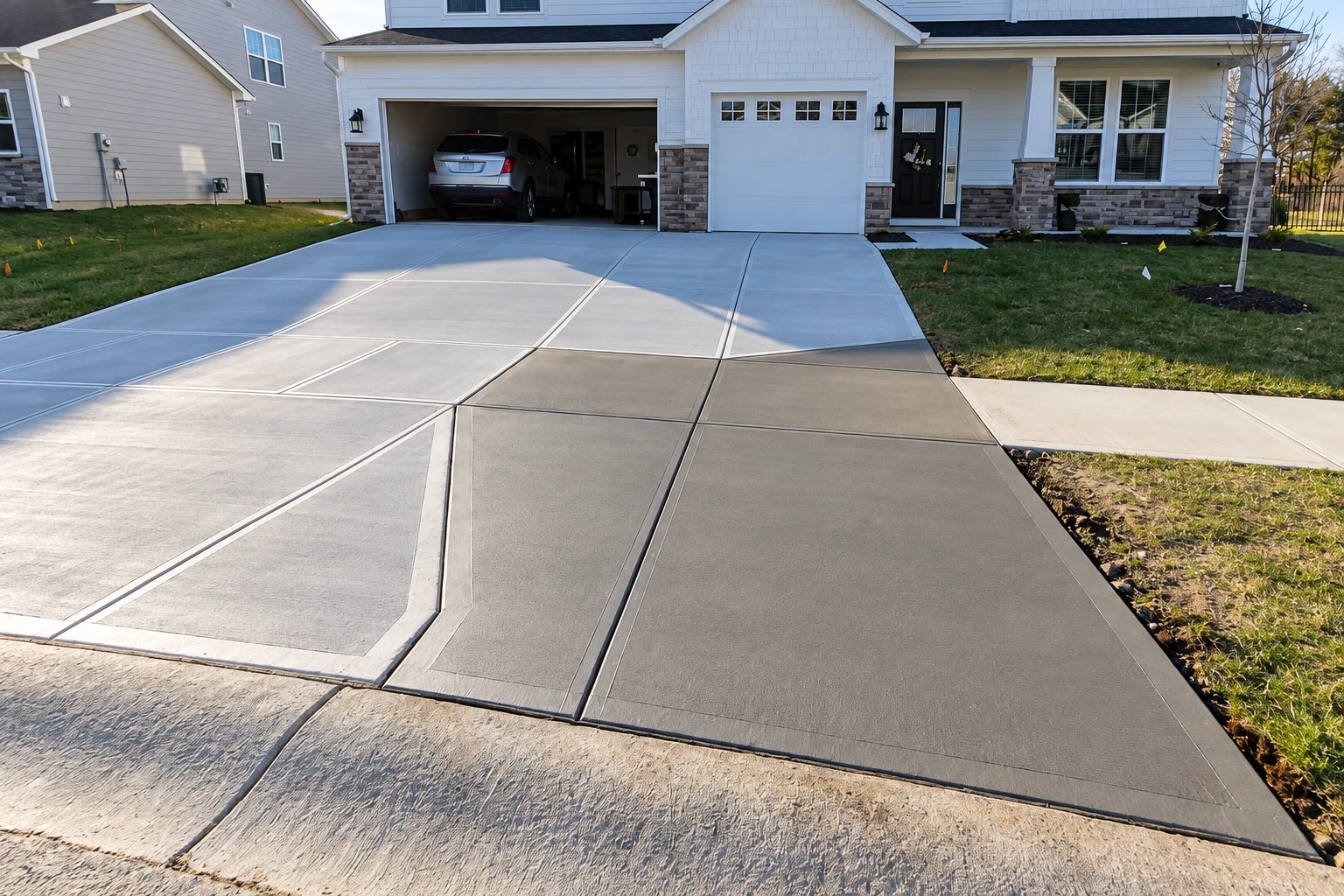
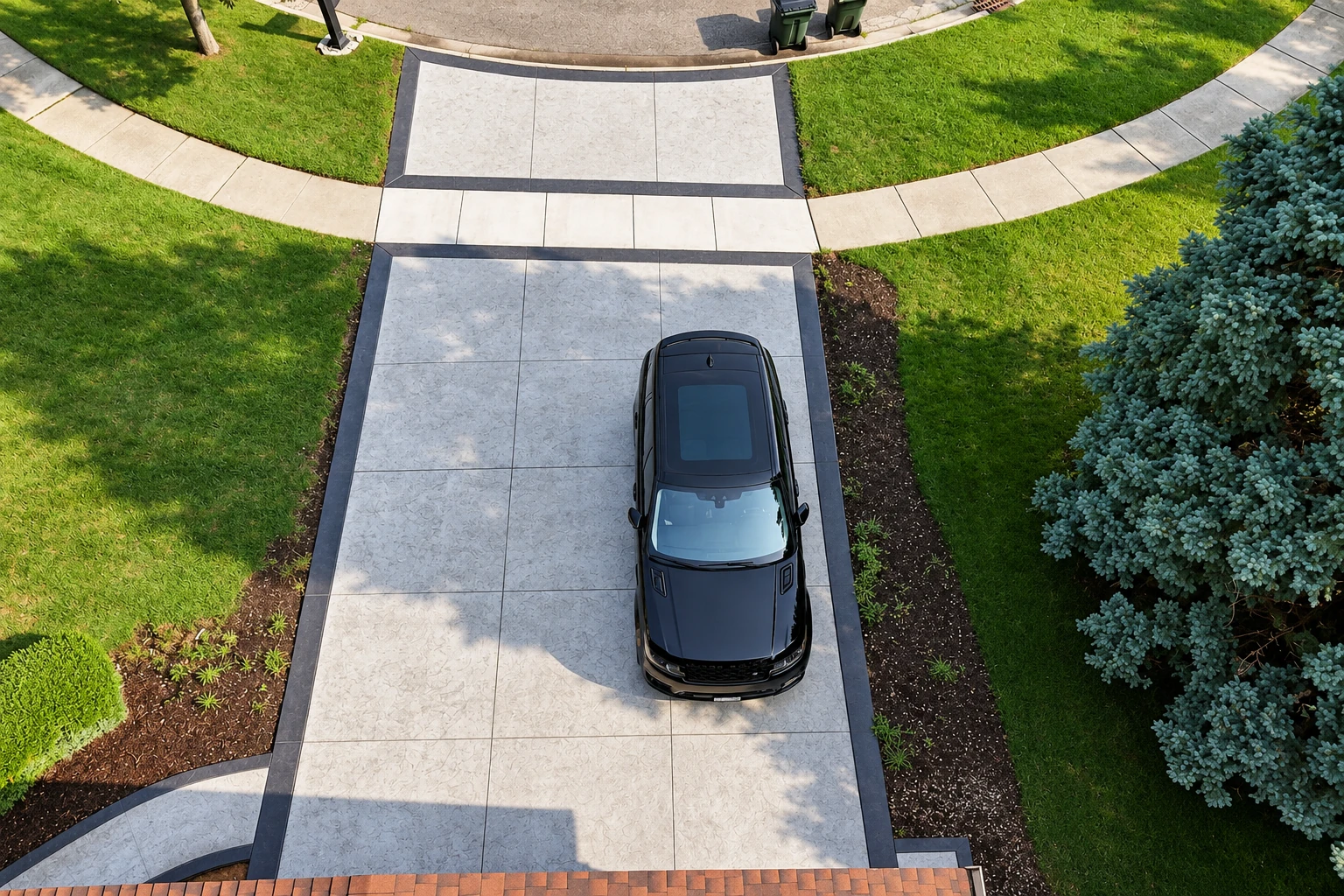
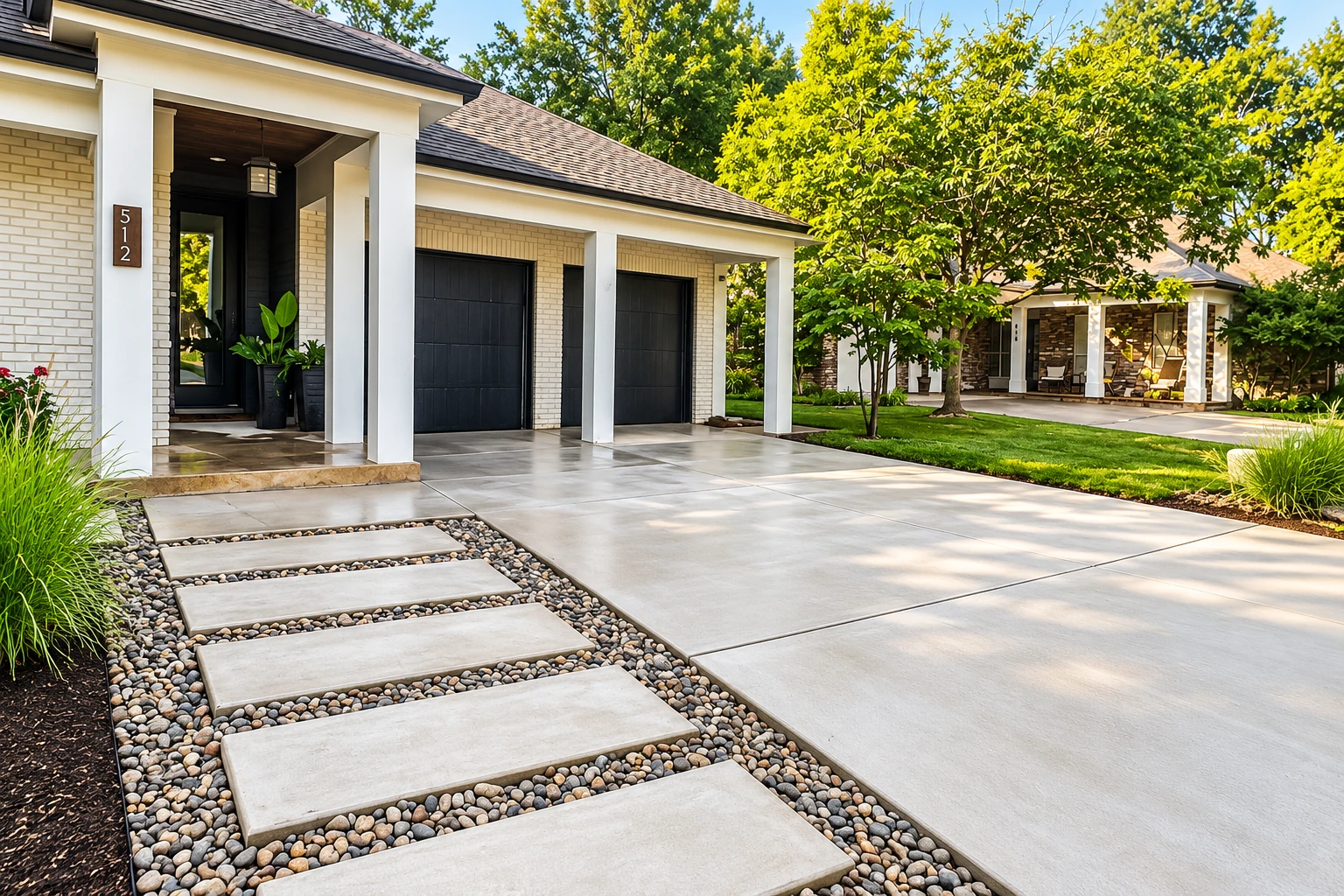
We're a concrete contractor based in West Springfield, MA, and we come up to Easthampton for the same work we do in Holyoke and the other cities around us. Homeowners call for driveways, patios, walks and steps, and builders and property owners call for footings, floors and foundation installation.
A lot of what I look at here is older concrete. There are walks that have sunk at the joints, driveways with a crack running across the middle, and patios where water sits after a rain. Usually the concrete itself wasn't the problem. The ground under it was never dug out and packed, or nobody checked where the water would run, so the slab moved with the dirt. That's why most of our jobs here start below the surface, with the old slab out and the base rebuilt before anything new gets poured.
What moves the price and the schedule
The price mostly follows size, thickness and what has to come out first, since breaking out an old driveway and hauling it off is real work before any new concrete goes in. How deep the base goes, how close the truck can get and the finish you pick move it too, and a plain broom finish, a light texture that keeps shoes and tires from slipping, costs less than stamped. The schedule turns on the weather for the pour and on curing, the wait while concrete gains strength, so you'll walk on it well before you drive on it. I walk the site with you and put the scope in writing.
Why we spend the money under the slab
We dig out the subgrade, the ground the slab sits on, and pack a base until it's firm. We check where the water runs so the slab falls away from your house, and we add rebar, steel that holds cracked pieces together, where the job calls for it. Concrete cracks, so we cut control joints, shallow grooves that give it a straight place to crack, on time instead of days later. If the budget gets tight, I'd rather cut the fancy finish than the base, because a surface can be redone later and the base can't without tearing out the whole slab.
Getting your yard ready for pour day
The concrete truck needs a clear path to the forms, so before pour day we talk through where it parks, whether we run a chute or wheelbarrows, and what's in the way, like a fence section or a low branch. You'll want a spot to park while a new driveway cures, and pets and kids kept off the forms, since a paw print sets fast. If we're tearing out an old patio or walk, tell me about anything you know is under it, because that changes the dig. I'm on site with our crew through the pour, so you have one person to ask.